
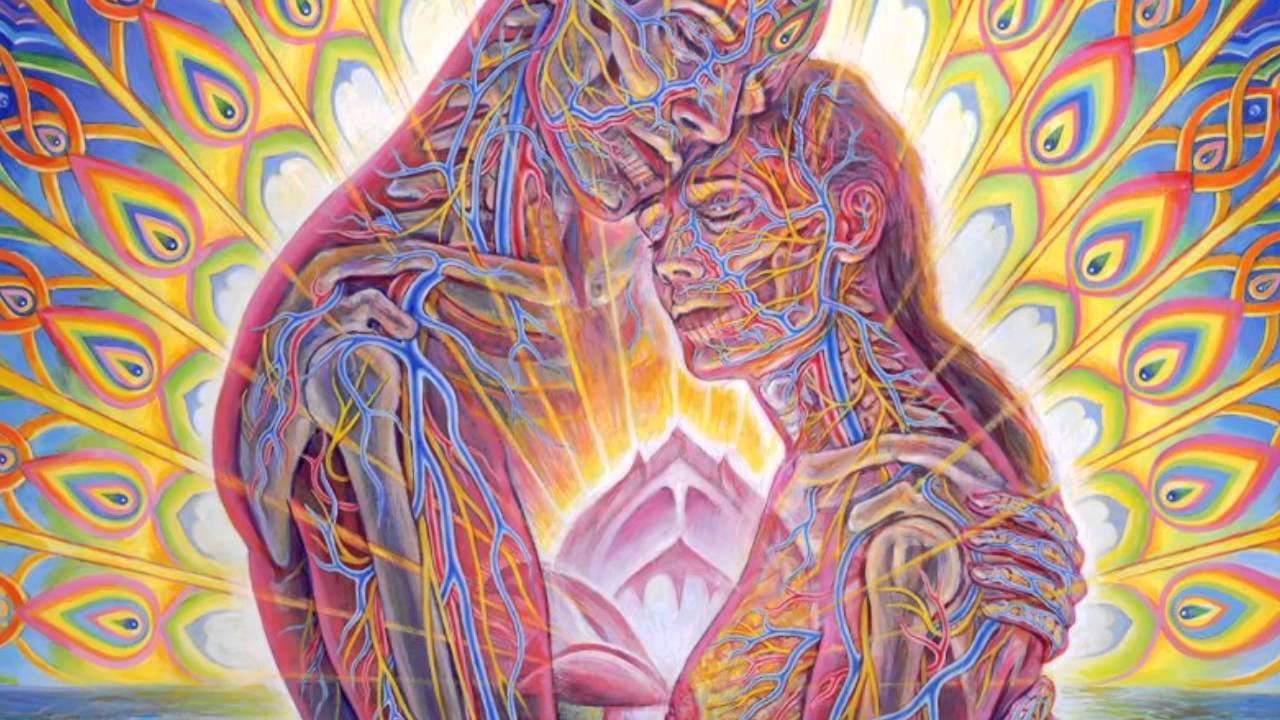
Some relationships feel strangely familiar. The details change, but the emotional sequence repeats: intense attraction, uncertainty, conflict, reconciliation, and another painful turn. Spiritual traditions may call this a karmic love pattern. The label can be useful as a metaphor for unfinished learning, but it does not prove a past-life bond, soul contract, or destiny with a particular person.
The pattern you can work with is the one you can observe now. Who does what? What happens next? Which need goes unspoken? What boundary disappears? A grounded review helps you learn without blaming yourself for another person’s behavior or treating harm as a lesson you must endure.
Karmic Pattern or Familiar Relationship Cycle?
A powerful sense of recognition can come from chemistry, attachment, shared experiences, idealization, or a familiar family dynamic. None of those explanations makes the connection fake. They simply keep one feeling from becoming proof that the relationship was arranged before birth.
If you prefer karmic language, define it modestly: a “karmic pattern” is a recurring interaction that invites reflection and a different present-day choice. This definition preserves spiritual meaning while protecting your freedom to stay, renegotiate, or leave.
Map the Pattern in Five Parts
Choose one recent event, not the entire history of the relationship. Then write five short lines:
- Trigger: What happened in observable terms? Example: “They cancelled our plan without telling me.”
- Interpretation: What meaning did you give it? Example: “I do not matter.”
- Response: What did you do next? Example: “I sent ten messages and then stopped replying.”
- Result: What followed? Example: “They became defensive, and we avoided the subject.”
- Need: What reasonable need was underneath? Example: “Advance notice, respect, and a calm repair conversation.”
This exercise separates a repeating cycle from fixed identities such as “victim,” “chaser,” or “runner.” It also reveals where you have influence. You may not control a cancellation, but you can make a request, set a consequence, and notice whether repair actually occurs.
Look for Repetition Without Taking All the Blame
Reflection is not the same as accepting responsibility for someone else’s cruelty, deception, intimidation, or violence. Ask questions that preserve this distinction:
- What behavior repeats, and how often?
- What do I predict will happen, and what evidence supports that prediction?
- Which requests have I stated clearly?
- When I say no, is the answer respected?
- After conflict, is there accountability and lasting change?
- Do I feel free to maintain friends, money, privacy, work, and healthcare?
The relationship spectrum from love is respect compares healthy, unhealthy, and abusive behaviors. It is more reliable than intensity, synchronicity, or psychic certainty when you are deciding how safe a relationship is.
Test a New Response
Choose one small experiment rather than promising to transform the entire bond.
- Request: “If plans change, please tell me before 5 p.m.”
- Boundary: “If insults begin, I will end the conversation and revisit it tomorrow.”
- Pacing: Delay major commitments until consistent behavior has had time to emerge.
- Reality check: Ask a trusted person to review the facts, including messages or dates.
- Support: Use a qualified therapist or relationship service for persistent cycles.
Record what happens after the new response. A caring partner may not react perfectly, but they can listen, accept a limit, repair harm, and show change over time. Repeated punishment, surveillance, threats, isolation, or financial control are not spiritual tests.
When the Pattern Includes Abuse
The National Domestic Violence Hotline lists warning signs of abuse, including extreme jealousy, preventing contact with others, controlling money, intimidation, and threats. If any apply, prioritize confidential safety planning over a confrontation or joint spiritual exercise.
You did not attract abuse because your vibration was low, fail a lesson by leaving, or owe access because of a supposed contract. If changing a boundary could increase danger, consult an advocate from a safe device when possible. Call local emergency services for immediate danger.
Decide Whether the Relationship Can Change
A relationship is not improving because it produces dramatic apologies, intense reunions, or promises about fate. Look for behavior across time: honesty, consent, mutual effort, reliable repair, respect for limits, and room for both people’s independent lives.
Our guide to assessing a karmic relationship focuses on present-day relationship quality. If you decide the cycle is over, moving on from a relationship offers a separate process for grief, distance, and rebuilding routines.
You do not need the other person to agree with your interpretation before you change your participation. Closure may be a private decision supported by reduced contact, practical separation steps, and grief work.
Use Spiritual Readings Carefully
A reader can help you reflect, but cannot verify a soul contract, guarantee reunion, diagnose a partner, or remove your right to leave. Be cautious if someone declares that suffering is required, predicts disaster if you separate, or demands repeated payments to clear karma. The Federal Trade Commission explains why gift-card payment demands are a scam warning.
A useful reading leaves you with questions, choices, and agency. It should never replace legal, financial, medical, or mental-health support.
Frequently Asked Questions
What is a karmic love pattern?
It is a spiritual or metaphorical name for a recurring relationship cycle that seems to invite reflection. It is not proof of a past life, soul contract, or destined partner.
Does repeating a pattern mean the relationship is meant to be?
No. Repetition shows that a cycle is recurring, not that you must stay. Judge the relationship by consent, safety, respect, accountability, and consistent behavior.
Am I responsible for attracting harmful partners?
You can examine your choices and boundaries without accepting blame for another person’s abuse, deception, or coercion. The person who causes harm is responsible for that behavior.
How do I interrupt a recurring relationship cycle?
Map the trigger, interpretation, response, result, and underlying need. Then test one clear request, boundary, pacing change, or support step and evaluate what actually changes over time.