
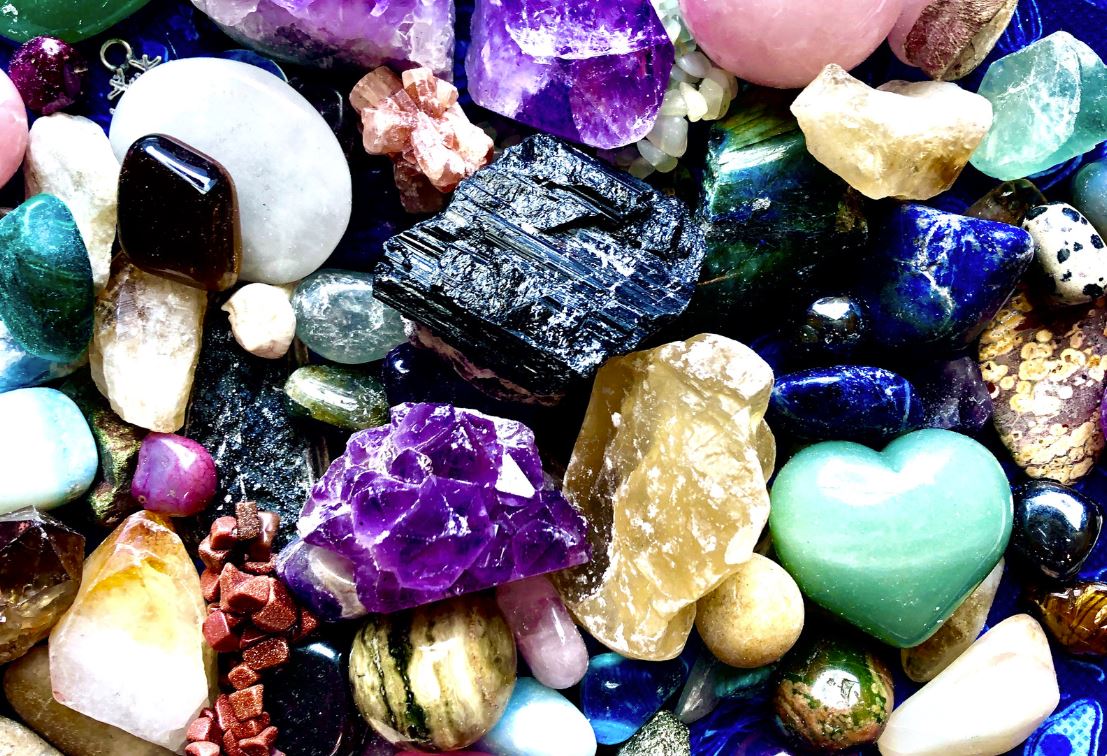
Forgiveness can mean deciding how you want to carry a painful experience. It does not require you to excuse harm, restore trust, resume contact, accept an apology, or stop feeling angry. Some people use crystals during reflection because the object gives them a physical reminder of an intention. That can be meaningful as a personal or spiritual ritual, but there is no good evidence that a crystal absorbs trauma, removes “negative energy,” or heals a relationship.
The safest way to use a crystal for forgiveness is as a prompt: when you see or hold it, pause, name what you feel, and choose the next action that protects your well-being. The work comes from your decisions, boundaries, support, and time—not from the mineral itself.
Forgiveness Is Not the Same as Reconciliation
Forgiveness is personal and has no mandatory timetable. Reconciliation is a shared process that requires safety, accountability, changed behavior, and freely given consent from everyone involved. Trust may be rebuilt slowly, or not at all.
You do not owe a conversation to someone who frightened, threatened, controlled, stalked, or repeatedly harmed you. The National Domestic Violence Hotline’s emotional-abuse guidance explains patterns such as control, isolation, threats, humiliation, and manipulation. If those patterns are present, prioritize support and a safety plan over a joint forgiveness ritual.
A Grounded Crystal Reflection
Choose any stone, bead, or ordinary object that feels comfortable to hold. Its price, rarity, or advertised “power” does not make the practice more effective.
- Settle: Notice the object’s weight, temperature, color, and texture. Take a comfortable breath without forcing it.
- Name: Complete the sentence, “What hurt was…” Use plain, specific language.
- Separate: Write what belongs to you—your feelings, choices, and boundaries—and what belongs to the other person—their behavior and responsibility.
- Choose: Decide what would help now: distance, a direct request, an unsent letter, practical repair, professional support, or no action today.
- Close: Put the object down and do one present-day task. Drink water, step outside, contact a trusted person, or return to your routine.
If focusing inward makes you more distressed or detached, stop. Our guide to grounding your spiritual self offers brief sensory options that do not depend on visualization.
Seven Crystals People Commonly Associate With Forgiveness
The meanings below come from contemporary crystal traditions, not medical science. Pick a symbolism that supports the question you need to ask.
- Rose quartz: a reminder to include self-compassion rather than directing all care toward the person who caused harm.
- Aquamarine: a prompt for calm, clear communication and for deciding what you are—and are not—ready to say.
- Blue lace agate: a symbol for truthful language, including a firm no or a request for space.
- Chrysoprase: a reminder that hope can coexist with discernment; optimism does not require restored access or trust.
- Lepidolite: a cue to slow down before responding. Its lithium content does not make holding it a treatment for anxiety or mood symptoms.
- Unakite: a symbol for looking at the past without letting it dictate every present choice.
- Apache tear obsidian: often associated in crystal practice with grief and remembrance. Treat claims about Indigenous stories carefully, and do not present a commercial legend as the view of all Apache people.
Four Ways to Work With the Symbol
Write an unsent letter
Describe the event, its effect, and the boundary you need. You may keep, revise, or safely destroy the letter. Sending it is optional, especially when contact could invite manipulation or danger.
Prepare a conversation
Hold the object while rehearsing one observable statement: “When this happened, I felt ___. Before I consider more contact, I need ___.” Decide in advance when you will end the conversation. An apology is information, not proof of lasting change.
Create a release ritual
Place the crystal beside a written burden you want to set down, such as constant rumination or responsibility for another person’s choices. Replace “I must forgive now” with “I am allowed to heal at my own pace.” Ritual can mark an intention; it cannot erase consequences.
Track behavior after an apology
Write what repair would look like: acknowledging harm without excuses, making restitution where possible, respecting boundaries, and changing the behavior consistently. Review actions over time instead of treating a spiritual sign or emotional moment as certainty.
Crystal and Meditation Safety
Do not ingest crystals, make drinking elixirs, inhale mineral dust, or assume a polished stone is harmless in every use. The National Capital Poison Center notes that some crystals may contain toxic substances and that swallowing stones can cause choking. Keep small pieces away from children and pets, wash your hands after handling unfamiliar minerals, and use only methods that do not involve heat, grinding, or consumption.
Meditation is not risk-free for everyone. The National Center for Complementary and Integrative Health summarizes both potential benefits and research limitations, including reported negative effects. Use a short practice, keep your eyes open if that feels safer, and stop if symptoms intensify.
When Forgiveness Is Not the Next Step
Your next step may be grief, anger, distance, documentation, legal information, trauma-informed counseling, or practical safety. If a relationship has ended, our guide to moving on from a relationship focuses on recovery without requiring reconciliation. A spiritual reader should never pressure you to forgive, promise to remove a curse, demand escalating payments, or tell you to ignore professional help.
A crystal can be a quiet marker of the person you want to be. Let it remind you that compassion and boundaries can exist together—and that healing does not require denying what happened.
Frequently Asked Questions
Can crystals make me forgive someone?
No. A crystal may serve as a symbolic reminder during reflection, but forgiveness is a personal process shaped by your choices, boundaries, support, and time.
Do I have to reconcile after forgiving?
No. Forgiveness and reconciliation are different. You may keep distance or end contact, and reconciliation requires safety, accountability, changed behavior, and mutual consent.
Which crystal is best for forgiveness?
There is no scientifically proven best crystal. Choose an affordable object whose symbolism helps you remember a useful intention, such as self-compassion, clear communication, or firm boundaries.
Is it safe to make crystal water or an elixir?
No crystal elixir is necessary for this practice. Some minerals can contain toxic substances, and small stones can create choking hazards, so do not ingest crystals or soak unfamiliar minerals in drinking water.