
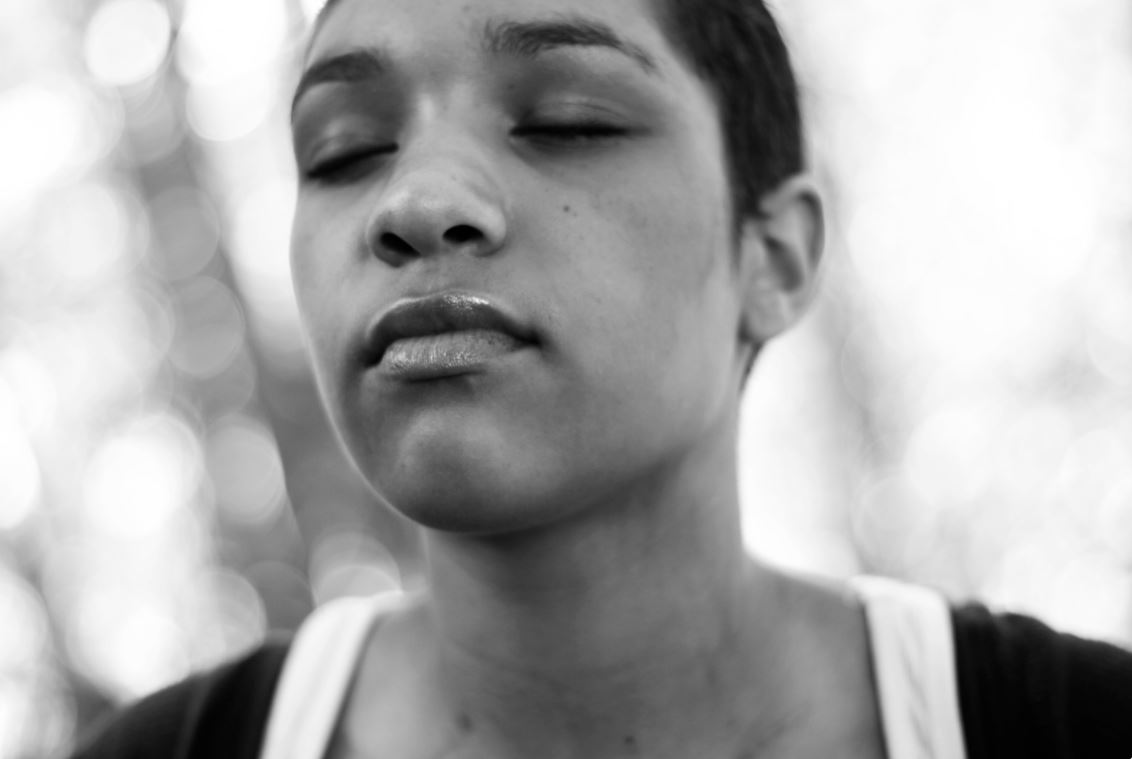
Grounding on a spiritual journey can mean returning attention to your body, surroundings, values, and ordinary responsibilities. It does not require a particular religion, access to wilderness, bare feet, or a belief that the earth transfers healing energy. The practice may be prayerful, secular, or somewhere between.
This guide focuses on outdoor and nature-connected contemplation. For a broader set of brief sensory methods that can be used indoors, see our practical spiritual grounding guide.
Choose Meaning Before Method
Ask what you need from the practice today. You might want steadiness, gratitude, grief space, discernment, rest from screens, or a reminder of belonging. Then choose an activity that supports that intention without forcing a particular emotional result.
If the word grounding does not fit your tradition, use prayer, contemplation, mindful attention, remembrance, or quiet observation. Spiritual language should support the practice, not become a test you can fail.
Seven Nature-Connected Grounding Practices
1. Gardening as careful attention
Water one plant, pull a few weeds, turn compost, or observe new growth. Notice texture, scent, moisture, and change. You may offer the task as prayer, gratitude, or service. Growth is not guaranteed by blessing, so follow the plant’s real needs for water, soil, light, and climate.
No yard is required. A windowsill herb, community garden, houseplant, or bowl of produce being prepared for a meal can support the same kind of attention.
2. A walking prayer
Choose a safe route and repeat a short prayer, sacred phrase, value, or compassionate wish with your steps. You can pray for neighbors without making assumptions about their lives or treating the walk as permission to approach or convert them. Respect privacy and local access rules.
3. Stillness outdoors
Sit on a porch, bench, balcony, near an open window, or under a tree. Notice three things moving and three things still. Let thoughts come and go without demanding a blank mind. Choose shade, seating, and duration that fit your body.
4. A simple labyrinth or repeated path
A labyrinth has one winding route toward a center and back, unlike a maze with choices and dead ends. If none is available, walk a familiar loop slowly. Let the inward path hold a question and the outward path hold one practical response. The pattern is a contemplative aid, not a portal or predictive tool.
5. A senses walk
During a short walk, notice color, sound, temperature, contact with the ground, and the rhythm of movement. Keep awareness of traffic, terrain, wildlife, and other people. If closing your eyes would reduce safety, keep them open.
6. A threshold pause
Before entering home, work, worship, or a difficult conversation, pause for one breath. Name what you are carrying and what role you are entering. Choose one value for the next interaction, such as honesty, patience, or courage.
7. A shared table ritual
Before a meal, acknowledge the people, labor, land, water, and resources involved. Use the language of your tradition or simple gratitude. This practice should not create food guilt or imply that everyone has equal access to nourishing meals.
Make the Practice Accessible
Grounding does not have to involve walking, kneeling, gardening, or going outside. Adapt with a chair, mobility aid, indoor plant, nature recording, textured object, photo, or view from a window. A support person can describe surroundings or help choose a quieter route.
The Centers for Disease Control and Prevention notes that some physical activity is better than none, but spiritual value is not measured by exertion. Choose movement that suits your health and access needs.
Outdoor Safety Matters
Check weather, air quality, daylight, route conditions, hydration, medication effects, and local wildlife guidance. The National Weather Service’s heat-safety guidance explains heat illness risks and protective steps. Shorten or move the practice indoors during unsafe heat, storms, smoke, or extreme cold.
Sunlight can feel pleasant, but it can also damage skin and eyes. The U.S. Environmental Protection Agency provides sun-safety guidance, including shade and protective clothing. Do not stare at the sun as a spiritual exercise.
From Contemplation to Action
Close by translating insight into one small action. Gratitude for land might lead to learning a local conservation rule. Concern for a neighbor might become a respectful check-in. A wish for peace might become a boundary, apology, donation within your means, or five minutes of an overdue task.
If you want to make the action repeatable, our life-change guide explains cues, small steps, obstacle plans, and weekly review. Spiritual reflection can clarify why; practical structure helps with how.
When Grounding Is Not Enough
Grounding may offer a pause, but it is not a treatment for severe anxiety, trauma, psychosis, chronic pain, or another medical condition. Stop if the practice increases panic, dissociation, intrusive memories, dizziness, or physical pain. Seek qualified support when symptoms are persistent, intense, or interfere with daily life, and seek urgent local help if there is immediate danger.
A spiritual leader or reader should not insist that distress proves weak faith, blocked energy, or failure to connect with nature. Responsible guidance makes room for healthcare, safety, disability, and different beliefs.
Frequently Asked Questions
What does spiritual grounding mean?
It generally means returning attention to the present, your body, surroundings, values, and practical responsibilities. It can be religious, spiritual, or secular.
Do I need to walk barefoot to ground?
No. Barefoot contact is not required, and it may be unsafe on hot, sharp, contaminated, or unstable surfaces. Shoes, a chair, an indoor plant, or sensory attention can support the practice.
Can grounding replace therapy or medical care?
No. It may be a supportive practice, but it does not diagnose or treat medical or mental-health conditions. Persistent, severe, or worsening symptoms need qualified care.
How long should a grounding practice last?
There is no required duration. Begin with two to ten minutes and adjust for comfort, weather, access, and purpose. A brief, repeatable practice can be meaningful.