
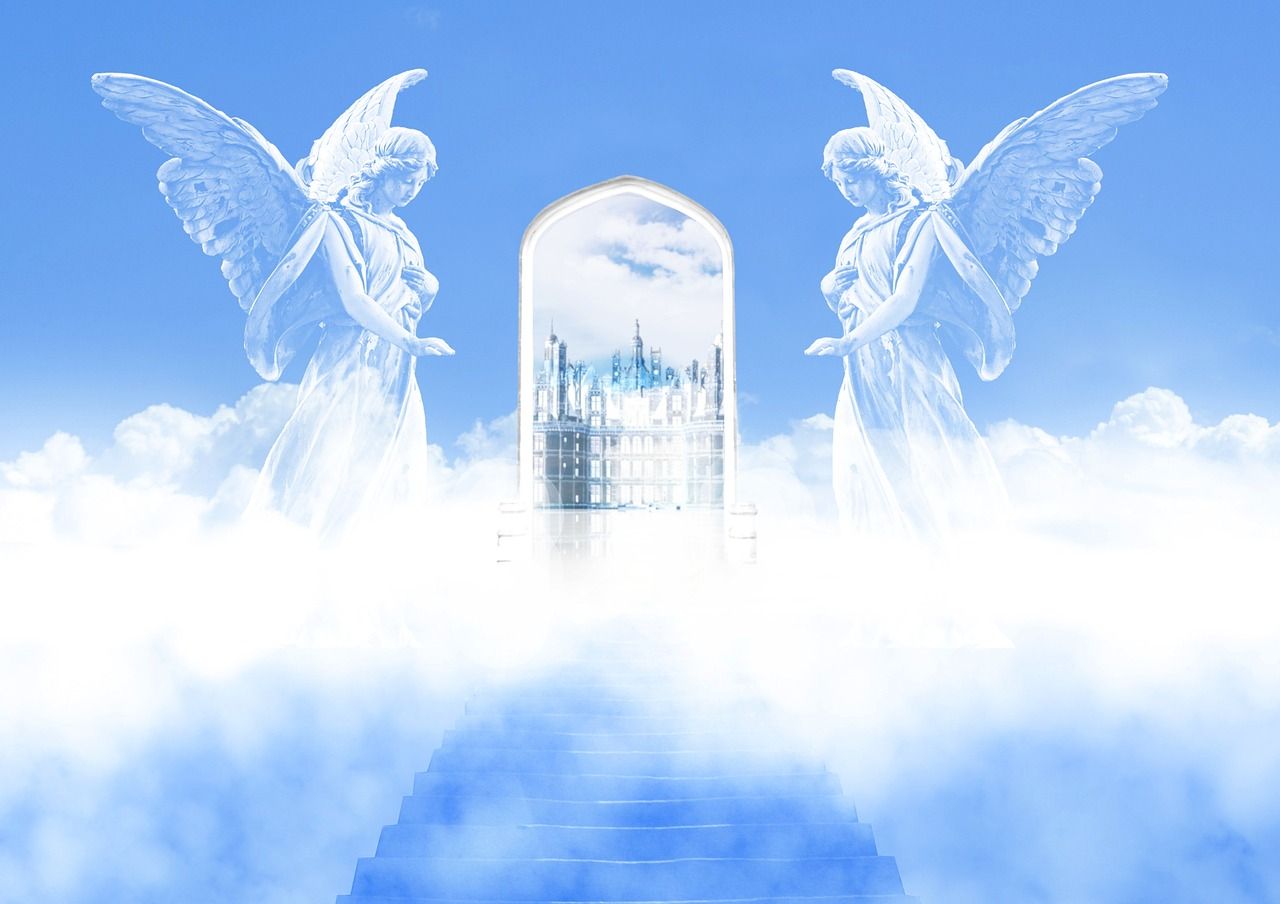
Calling upon white light is a visualization used in some spiritual and New Age practices. A person may imagine soft light around the body or room as a symbol of calm, compassion, clarity, or protection. The image can support a reflective pause, but it is not a physical shield, medical treatment, or guarantee that harm cannot occur.
You do not need a particular religion, psychic identity, or belief about dimensions to try the exercise. You also do not have to use it. The most grounded version pairs the image with an observable action such as leaving an unsafe space, setting a boundary, checking a fact, or contacting support.
What White Light Can Symbolize
Different practitioners give white light different meanings. It may represent:
- a pause before responding;
- compassion without self-sacrifice;
- a boundary between your responsibilities and someone else’s;
- clarity about what is known and unknown;
- hope during grief or uncertainty;
- a transition into prayer, meditation, or rest.
These are meanings, not measurable properties of a universal substance. Claims that white light resides in a fifth, sixth, or seventh dimension, purifies all energy, or guarantees protection cannot be objectively verified.
A Five-Minute White-Light Visualization
- Check the setting. Sit, stand, or lie somewhere physically safe. Do not do the exercise while driving, cooking, bathing, or operating equipment.
- Orient first. Name the date, your location, and three things you can see. Feel where your body is supported.
- Choose the meaning. Decide whether the light represents calm, clarity, courage, compassion, or a boundary.
- Picture the light. Imagine a comfortable brightness around you. Keep your eyes open or soften the image if vivid visualization is difficult.
- Add a boundary. Silently say, “I can care without taking on what is not mine,” or, “I can pause before I choose.”
- Take one real-world step. Send a message, leave the room, drink water, verify information, write a limit, or ask for qualified help.
There is no required color, posture, duration, or sensation. People who do not form mental pictures can use a word, a white object, gentle music, or a written statement instead.
Translate “Negative Energy” Into Information
If you want the light to remove “negative energy,” first identify what that phrase describes:
- Body: fatigue, pain, hunger, tension, illness, or substance effects;
- Environment: noise, heat, clutter, smoke, conflict, or lack of privacy;
- Emotion: grief, fear, anger, shame, loneliness, or overwhelm;
- Relationship: pressure, disrespect, overwork, manipulation, or unclear expectations;
- Task: too many decisions, missing information, or an unrealistic deadline.
Once the phrase becomes specific, match it with an action. Light imagery may accompany the action, but should not replace it. For a comprehensive risk-and-boundary process, use our guide to protecting yourself from negative energies.
White Light as a Boundary Practice
Imagine the light as a reminder that information and care can pass through while coercion does not. Then use a concrete sentence:
- “I can listen for ten minutes, but I cannot solve this tonight.”
- “I will not discuss my private reading with people I did not choose.”
- “I need time to check that claim before I pay or agree.”
- “Please ask before touching me or using spiritual practices on me.”
- “I am ending this conversation because the insults continued.”
A boundary needs behavior, not just imagery. Decide what you will do if the limit is ignored: pause contact, leave, block an account, involve a supervisor, or seek support.
Prayer, Angels, and “Agents of Light”
Some people call on God, angels, saints, ancestors, ascended masters, or guides during the visualization. Others treat the light as imagination. Use language consistent with your beliefs and avoid claiming that your spiritual figure has issued commands for someone else.
No claimed angel, guide, healer, or lightworker gains authority over consent, healthcare, money, legal decisions, or relationships. A practitioner should not say that declining a service invites darkness or that repeated payment is required for protection.
When Visualization Feels Uncomfortable
Some people find imagery calming; others feel restless, numb, panicked, dissociated, or flooded by memories. Stop if discomfort grows. Open your eyes, name objects in the room, move gently, or talk with someone you trust. The National Center for Complementary and Integrative Health notes that meditation and mindfulness can have negative effects for some participants.
Do not intensify the practice through sleep deprivation, prolonged fasting, hyperventilation, substances, or isolation. If you experience frightening visions, commanding voices, severe sleep disruption, or difficulty distinguishing internal experience from shared reality, seek qualified mental-health support. NIMH explains when mental-health symptoms need professional help.
What White Light Does Not Protect Against
Visualization cannot prevent violence, infection, pregnancy, financial loss, fire, poisoning, cybercrime, legal consequences, or medical emergencies. Use the appropriate real-world protection: consent, safety plans, locks, protective equipment, healthcare, secure passwords, written agreements, and qualified advice.
If danger is immediate in the United States, follow official 911 guidance when it is safe to call. Do not wait for a sign, ritual result, or psychic confirmation.
A White-Light Decision Card
After the visualization, write five lines:
- What I observed:
- What I felt:
- What I know versus assume:
- The boundary or value I choose:
- The next safe action:
This turns a vague request for energetic purification into a decision you can evaluate. If you primarily want a mood-and-environment reset, see making your aura positive again for a seven-step practical routine.
Keep the Practice Optional and Reality-Based
You may experience warmth, calm, emotion, imagery, or nothing at all. None of those outcomes proves success or failure. The useful measure is whether the practice helped you orient, clarify a value, respect consent, or take a safer action.
Frequently Asked Questions
What is white-light visualization?
It is a spiritual or reflective practice of imagining light as a symbol of calm, compassion, clarity, or protection. It is not an objectively verified energy shield.
Do I have to be religious to call on white light?
No. You may connect the practice with prayer, spirituality, imagination, or a simple attention cue. It is also fine not to use it.
Can white light remove negative energy?
It may help you reflect, but it does not literally remove a verified substance. Translate “negative energy” into specific body, environment, emotion, relationship, or task needs and take an appropriate action.
Can white light protect me from danger or illness?
No visualization guarantees physical, medical, financial, legal, or digital safety. Use emergency services, healthcare, boundaries, protective measures, and qualified advice as the situation requires.