
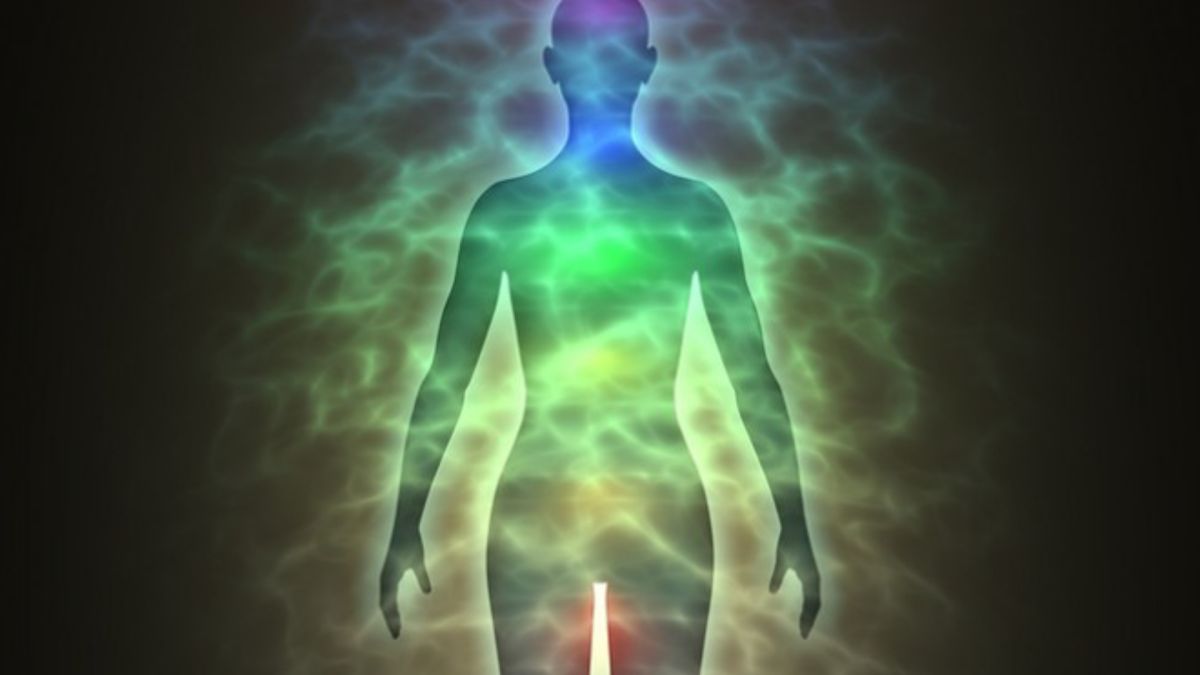
In spiritual practice, an aura is often imagined as a field of color or light around the body. Science has not established that people have a visible electromagnetic aura that reveals trauma, personality, health, or spiritual worth. Still, aura imagery can be used as a metaphor for personal space, attention, recovery, and boundaries.
Healing your aura does not mean repairing literal holes or dark spots. A grounded practice asks what those images represent to you, identifies the real need underneath them, and connects that need with a safe action.
Begin With the Experience, Not a Diagnosis
Translate the image into observable language:
- A “small aura” may represent wanting privacy, feeling overlooked, or needing less stimulation.
- A “large aura” may represent confidence, excitement, sociability, or taking up more conversational space.
- A “dark spot” may represent grief, shame, anger, fatigue, or a painful memory.
- A “hole” may represent a boundary that is repeatedly crossed or a need that goes unmet.
- A “thick wall” may represent caution, emotional distance, or a protective habit.
These translations are prompts, not clinical conclusions. The same image can mean different things on different days.
Aura Size Is Not Social Power
There is no reliable way to measure a spiritual aura as three feet wide, room-filling, expanded, or contracted. A person’s presence may be influenced by posture, voice, facial expression, clothing, role, familiarity, cultural expectations, and how much attention the group gives them.
You do not need to “expand” an aura to matter or “shrink” one to remain safe. For a presentation, practical preparation may include rehearsing, slowing your speech, checking the room, and choosing one clear message. For privacy, it may include declining questions, limiting contact, or leaving.
A Six-Step Symbolic Aura Repair
- Orient to the present. Name the place and date and notice what supports your body.
- Draw the symbol. Sketch a circle around a simple outline. Add colors, gaps, or textures without trying to make them “correct.”
- Label the meaning. Write one emotion, memory, need, or situation beside each feature.
- Separate past from present. Ask, “Is the danger happening now, remembered now, or both?”
- Choose one response. Rest, document a concern, make a request, contact support, or leave an unsafe setting.
- Close the exercise. Put the drawing away, look around the room, and return to an ordinary activity.
The drawing does not reveal hidden disease or another person’s intentions. Its value is in helping you name your own experience.
Trauma Is Not an Aura Defect
Trauma does not make a person dark, torn, impure, untrustworthy, or spiritually weak. SAMHSA describes trauma and its effects in terms of harmful or threatening experiences and their lasting impact on functioning and wellbeing. Responses differ, and recovery is not a test of character.
If an aura image brings up a traumatic event, do not force yourself to relive it or search for every hidden “scar.” Pause, orient to the present, and seek trauma-informed support. Safety, choice, collaboration, trust, and empowerment are better recovery principles than spiritual purity.
Turn Boundaries Into Actions
A visual bubble may remind you of a boundary, but the boundary needs an action you control:
- “If insults begin, I will end the call.”
- “I do not share passwords or financial accounts.”
- “Please ask before touching me.”
- “I can listen for ten minutes, then I need a break.”
- “I will not discuss this at work.”
Our guide to setting boundaries when you are an empath provides scripts for relationships, work, strangers, and digital contact.
Do Not Treat Intuition as Automatic Truth
A sudden feeling can alert you to something worth checking, but it may also reflect memory, expectation, stress, bias, or incomplete information. Describe the impression, list the evidence, consider alternatives, and verify what you can. Do not accuse someone, diagnose them, or make a costly decision because their aura seems damaged or threatening.
Likewise, another person cannot reliably look at your aura and know your trauma, medical history, morality, future, or private thoughts. You may decline any interpretation that feels intrusive or coercive.
Use Meditation With Choice
If imagery feels steadying, picture a comfortable boundary and name the practical action it represents. Keep your eyes open if closing them increases distress. Stop if the practice intensifies panic, dissociation, frightening imagery, or confusion.
The National Center for Complementary and Integrative Health notes that meditation has limits and possible adverse effects and should not replace conventional care. A shorter reset for ordinary stress is available in making your aura positive again.
When to Seek Professional Support
Persistent nightmares, avoidance, hypervigilance, flashbacks, severe anxiety, numbness, substance misuse, or difficulty functioning deserve qualified assessment. The National Institute of Mental Health explains PTSD symptoms and treatment. Not everyone exposed to trauma develops PTSD, and only a qualified clinician can diagnose it.
Seek urgent local help if you may harm yourself or someone else or cannot stay safe. Spiritual support can accompany care, but a healer should not tell you to stop medication, avoid therapy, or buy repeated clearings.
Choose Ethical Aura Guidance
A responsible practitioner describes aura work as spiritual or symbolic, obtains consent, accepts disagreement, states the full price, and stays within scope. Leave if someone declares that your aura proves disease, abuse, infidelity, possession, or impending disaster. Fear and dependency are not healing.
Frequently Asked Questions
Can an aura have holes or dark spots?
People may visualize them as spiritual symbols, but they are not objectively verified injuries. Use the image to explore needs without treating it as a diagnosis.
Does trauma damage an aura?
Trauma can affect wellbeing and functioning, but it does not make a person spiritually damaged or impure. Evidence-based, trauma-informed support can help.
Can someone measure the size of my aura?
There is no reliable scientific measurement for the size of a spiritual aura. Presence and visibility have ordinary social and situational influences.
What is a safe aura-healing exercise?
Draw an aura as a symbol, label each feature with a feeling or need, choose one practical response, and close by orienting to the present.