
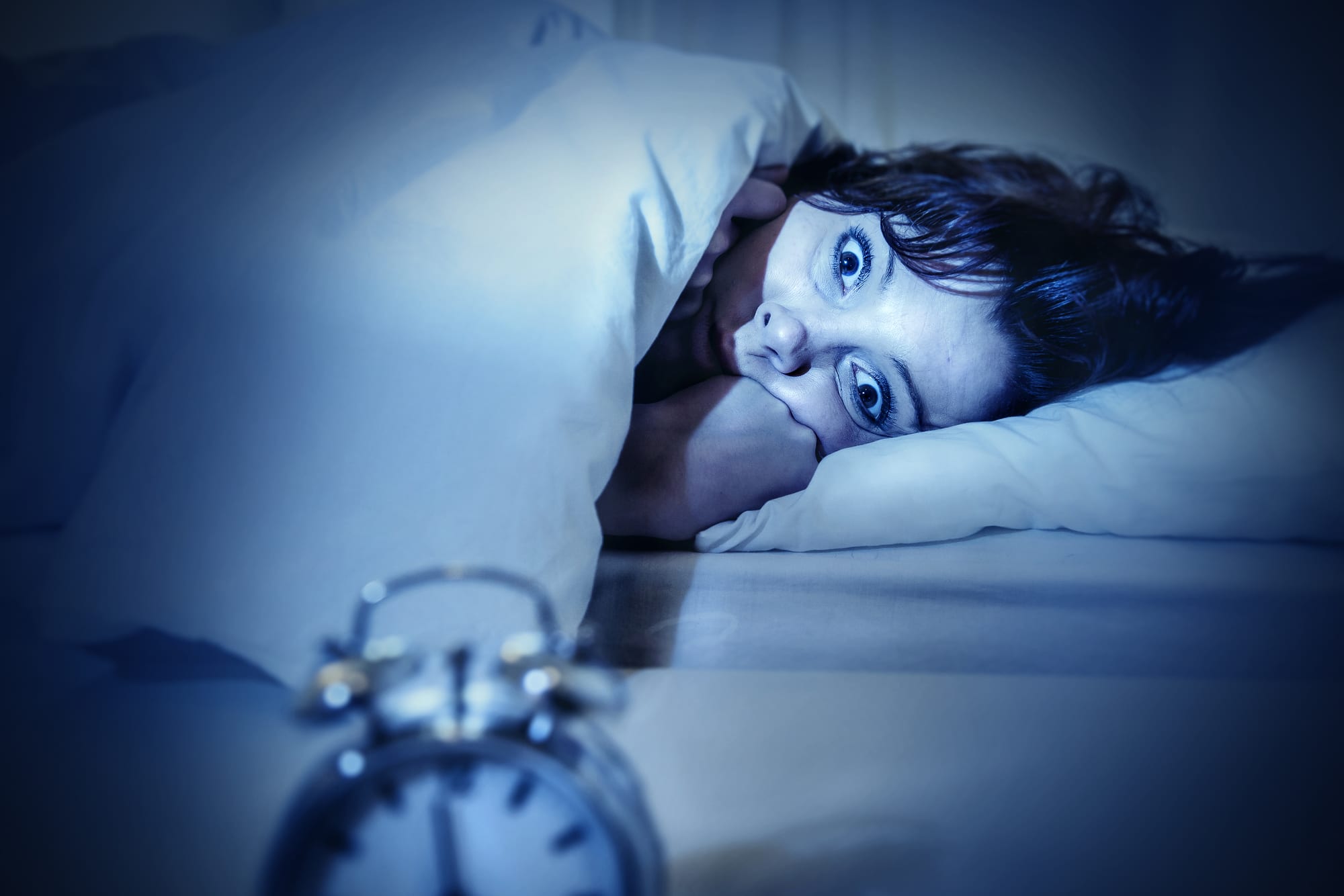
Dreams can be vivid, confusing, comforting, or frightening. A dream may borrow faces, places, worries, memories, and sensations without assembling them into a logical story. A nightmare is a disturbing dream that usually wakes you and leaves enough alertness to remember at least part of it.
Science has not identified one single purpose for every dream. Researchers study dreaming in connection with sleep stages, emotion, learning, memory, and threat processing, but a specific dream is not a medical test or reliable prediction. Spiritual interpretation can be a personal reflection practice as long as symbolism is not mistaken for proof.
What Happens While You Dream?
Sleep is an active biological process that cycles through non-rapid eye movement (NREM) and rapid eye movement (REM) stages. Dreams can occur in more than one stage, though REM dreams are often especially vivid and story-like. During REM, brain activity changes, eyes move rapidly, and normal muscle inhibition helps prevent most dream actions from being acted out.
The National Institute of Neurological Disorders and Stroke explains sleep stages and current research in its guide to understanding sleep. The guide also makes an important distinction: scientists know that everyone dreams, but still do not fully understand why we dream.
Why Do Dreams Feel So Strange?
Dreams do not have to follow waking logic. A person can become two people, a childhood home can appear in another city, and time can jump without explanation. The mind may combine recent events, older memories, emotions, bodily sensations, and imaginative fragments.
This is why one symbol does not have a universal meaning. An owl could represent wisdom to one person, a frightening childhood encounter to another, or simply a documentary watched before bed. Our guide to understanding owls in dreams demonstrates a context-first method that works better than a fixed symbol dictionary.
Common Nightmare Triggers
An occasional nightmare is common and does not automatically indicate a disorder. Frequency or intensity may increase during periods involving:
- stress, grief, conflict, or a major life change;
- trauma reminders or frightening media;
- sleep deprivation or an irregular schedule;
- fever or illness;
- alcohol, recreational substances, or withdrawal;
- some medications or medication changes; or
- mental-health or sleep conditions.
These are possibilities, not conclusions you should diagnose from a dream. Do not stop or change a prescribed medicine on your own. A pharmacist or prescriber can help assess timing, side effects, and safer options.
A Five-Minute Dream Record
If you want to remember and explore dreams, keep a notebook or voice recorder within reach. As soon as you wake, capture only what you know:
- Scene: Where were you, and who was present?
- Emotion: What was the strongest feeling during the dream and after waking?
- Detail: Note one image, phrase, sound, or body sensation.
- Context: What happened recently that may connect with it?
- Response: Is there a harmless waking-life action worth taking?
Write “I dreamed that…” rather than “This means…” so the record preserves uncertainty. If you use an intuitive interpretation, list at least one ordinary alternative. Our guide to grounding your spiritual self can help you return attention to your surroundings after an intense dream.
What to Do After a Nightmare
First orient yourself to the present. Turn on a light, name the date and location, notice five things you can see, and take a slow exhale. Remind yourself that the dream has ended. Drink water if comfortable, adjust the room, and avoid immediately searching for catastrophic meanings.
When calm enough, write a brief summary and identify the current need: reassurance, sleep, a conversation, professional support, or a practical safety check. If the nightmare reflects a real concern—such as an unlocked door or unresolved conflict—address the observable concern in daylight. The dream itself does not prove danger.
Support Better Sleep
Healthy habits cannot prevent every nightmare, but they make sleep more predictable. The Centers for Disease Control and Prevention recommends a consistent bedtime and wake time, a quiet and cool bedroom, regular activity, less evening caffeine and alcohol, and turning off electronics before bed. Its sleep-health guidance also recommends talking with a healthcare provider about regular sleep problems.
A simple two-week sleep log can include bedtime, estimated sleep time, awakenings, nightmares, wake time, naps, caffeine, alcohol, medication timing, illness, and daytime sleepiness. Bring the record to a clinician rather than relying on a dream-reading app to diagnose the cause.
When Nightmares Need Professional Attention
Talk with a qualified healthcare professional when nightmares occur frequently, create fear of sleep, cause significant daytime distress, follow trauma, or interfere with work, school, driving, or relationships. Prompt assessment also matters if you act out dreams, injure yourself or a bed partner, stop breathing during sleep, have severe daytime sleepiness, or experience new symptoms after a medication change.
The National Institute of Mental Health offers guidance on when mental-health symptoms need support. Seek urgent local help if you may harm yourself or someone else, cannot stay safe, or are unable to distinguish a dream from waking events.
Keep Interpretation Proportionate
A dream can inspire a journal entry, artwork, prayer, or careful conversation. It should not be used alone to accuse someone, make a medical decision, gamble, spend money, or predict a death or disaster. Responsible readers present possibilities, admit uncertainty, and never use a nightmare to frighten you into repeated paid cleansings.
The most useful question is often not “What does this predict?” but “What emotion or concern deserves kind attention while I am awake?”
Frequently Asked Questions
Does everyone dream?
People normally dream during sleep, although many dreams are not remembered. Dream recall is not a measure of psychic ability or sleep quality by itself.
Do nightmares always mean something is wrong?
No. Occasional nightmares are common. Frequent nightmares, fear of sleep, injury, severe distress, or daytime impairment are reasons to consult a healthcare professional.
Can a dream predict the future?
There is no reliable evidence that a dream predicts a specific future event. You may use it for reflection, but verify decisions with present-day facts.
How can I remember my dreams?
Keep a notebook nearby, pause before reaching for your phone, and record the scene, emotion, and one vivid detail immediately after waking. Do not sacrifice sleep to force recall.