
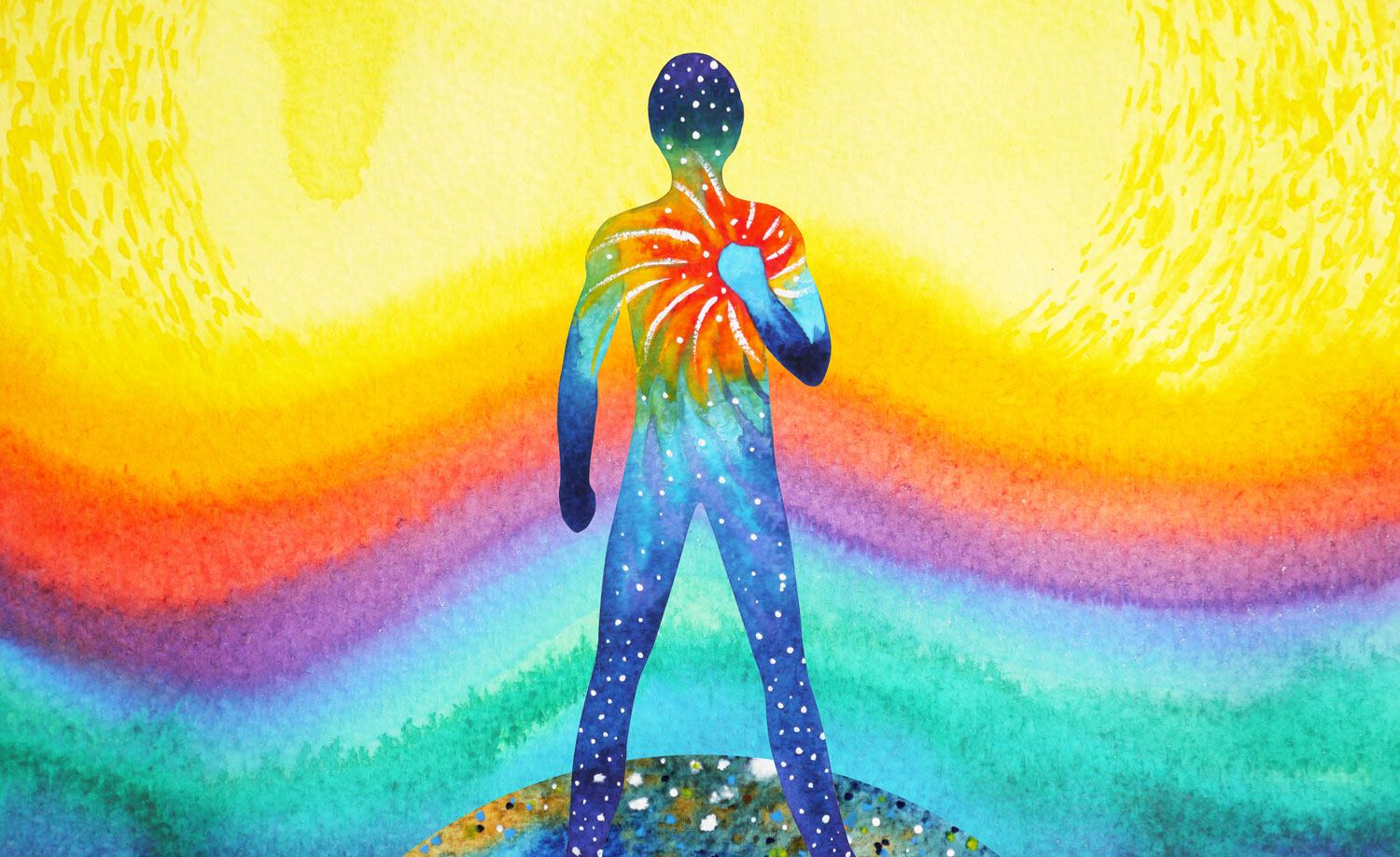
In spiritual language, an aura is an energy field believed to surround a person. Some people use its color or brightness as a metaphor for mood, vitality, boundaries, or presence. Science has not established a visible aura that protects the body, becomes contaminated by emotion, or can be diagnosed with a special camera.
“Making your aura positive again” can still be a useful intention if it means recovering after stress, reducing overload, and acting in ways that support your wellbeing. The most grounded approach translates energy words into observable experiences and practical care.
What Does a “Negative Aura” Feel Like?
Rather than assuming your energy field is damaged, describe what is happening:
- “My aura feels heavy” may mean you are tired, grieving, tense, or discouraged.
- “Someone tainted my aura” may mean an interaction felt intrusive, insulting, or overwhelming.
- “My energy is blocked” may mean you feel stuck, avoidant, uncertain, or unable to express a need.
- “My light is gone” may mean pleasure, motivation, or hope has been low.
This translation does not dismiss spiritual belief. It gives you something specific to respond to. Our guide to protecting yourself from negative energies offers a broader seven-layer plan for safety, boundaries, privacy, environment, health, and support.
Why the Outline You See Is Not Proof of an Aura
If you stare at a person or object and then close your eyes, you may see an outline or contrasting color. Visual adaptation and afterimages are ordinary features of vision. Clothing, lighting, background contrast, screen exposure, eye fatigue, migraine, and other factors can also affect what you see.
Do not stare at bright lights or the sun to test aura vision. New flashes, a curtain-like shadow, sudden vision loss, or a major increase in floaters needs prompt eye care rather than aura interpretation.
What About Aura Cameras?
Commercial aura photographs may create colorful images using hand sensors, software, filters, heat, moisture, electrical measurements, or preset visual effects. A color around a portrait is not evidence that the device photographed a protective spiritual field or diagnosed stress, trauma, illness, chakras, or personality.
Ask the operator what the device actually measures, how the colors are generated, and whether independent validation supports each claim. Treat the picture as spiritual art or a reflection prompt—not a health result.
A Seven-Step Positive-Aura Reset
- Orient. Name the date, place, and three things you can see. Feel your feet or the chair supporting you.
- Check body basics. Consider sleep, food, water, pain, illness, medication, movement, and sensory overload.
- Name the emotion. Choose a more precise word than negative: angry, lonely, worried, ashamed, overstimulated, or sad.
- Reduce one stressor. Lower noise, silence notifications, step outside, postpone a non-urgent demand, or leave an unsafe space.
- Choose one boundary. Decide what you will do: end a call, decline a request, protect private information, or schedule a conversation.
- Add one source of support. Contact a trusted person, counselor, healthcare professional, community group, or faith leader as appropriate.
- Take a values-based action. Complete one small task that reflects care, honesty, creativity, or responsibility.
The CDC’s guide to managing stress includes sleep, movement, connection, gratitude, and breaks among practical supports. No single step guarantees a brighter mood, but repeated basics can help.
Using Visualization Safely
If white-light imagery feels calming, use it as a private cue. Picture a comfortable boundary around your space, name the real limit it represents, and take the action that supports that limit. The image does not stop germs, accidents, abuse, cybercrime, or another person’s behavior.
Stop if visualization increases panic, dissociation, frightening imagery, or confusion. The National Center for Complementary and Integrative Health notes that meditation and mindfulness usually have few risks but that adverse experiences can occur and safety evidence has limits.
Forgiveness Is Optional
You do not have to forgive on a deadline to become spiritually clean. Forgiveness can mean different things and does not require reconciliation, restored access, forgotten harm, or removal of consequences. You may choose grief, distance, accountability, or a firm boundary instead.
When you want a longer symbolic practice, our article on healing your aura focuses on reflection and recovery. Keep medical symptoms and trauma care within the scope of qualified professionals.
Protecting Sensitivity Without Blaming Others
You may notice shifts in a room quickly, but that does not prove you absorbed another person’s energy. Tone of voice, facial expression, conflict history, crowding, noise, and your own stress can all shape the experience.
Describe behavior rather than labeling a person as dark or toxic. “They interrupted me and mocked my boundary” is clearer than “their aura attacked me.” Specific language supports decisions and reduces fear.
When to Seek Qualified Help
Persistent fatigue, pain, vision changes, low mood, panic, sleep disruption, or other symptoms should not be attributed to a damaged aura without medical assessment. Seek mental-health support when distress is severe, lasting, isolating, or interfering with daily life. Use emergency services for immediate danger.
A spiritual practitioner should not diagnose a disease, tell you to stop medication, or insist that only paid clearing can repair your energy. Urgent demands, curses, guaranteed results, secrecy, and gift-card or cryptocurrency payments are warning signs. The Federal Trade Commission explains how to recognize gift-card scams.
Frequently Asked Questions
Is an aura scientifically proven?
No. Auras are spiritual beliefs or metaphors. Science has not established a visible energy field that protects the body or reveals health, personality, or morality.
Can a negative person damage my aura?
A difficult interaction can affect stress and mood, but that does not prove energy transfer. Focus on observable behavior, boundaries, recovery, and safety.
Do aura cameras photograph spiritual energy?
Commercial systems create images from sensors, software, and visual effects. Their colors should not be treated as medical or spiritual proof.
How can I make my aura feel positive again?
Use aura language as a prompt to check body basics, name emotions, reduce one stressor, set a boundary, seek support, and take one values-based action.